
21-Day Japan Itinerary

Updated: Jan 7
Japan is incredibly well connected by trains, especially the JR network, which makes it easy to move between the major cities. This 21-day itinerary covers Tokyo, Kyoto, Nara, Hiroshima, Miyajima, Kanazawa, Takayama, and Osaka, with a mix of city sightseeing, historic temples, and scenic day trips.
Days 1–6 — Tokyo & Day Trips

Day 1 — Arrival in Tokyo & First Impressions
I arrived in Tokyo with that mixture of excitement and disorientation that always hits me in a new country. As soon as I stepped off the train from Narita Airport and into the city, I felt the immediate pulse of Tokyo—clean, organized chaos wrapped in neon and politeness. After checking into my hotel in Shinjuku, I took a slow walk around the neighborhood to shake off the jet lag. The glowing signs, the smell of grilled yakitori, and the soft melodies of convenience-store jingles made it feel like I had walked straight into a movie.
Later in the afternoon, I wandered into Omoide Yokocho, a narrow alley filled with tiny eateries. Chefs in small aprons were grilling skewers, steam poured out of noodle shops, and locals squeezed shoulder-to-shoulder at counters the size of closets. Sitting there with a plate of yakitori and a cold Japanese beer felt like the perfect welcome.
As night fell, I looked out from the nearby Tokyo Metropolitan Government Building — a free observatory with sweeping views over the endless cityscape. The city lights appeared like a living circuit board beneath me, stretching to the horizon. It was the perfect way to see Tokyo for the first time: from above, shimmering, alive, and calling me to explore.

Day 2 — Shibuya & Harajuku Exploration
I began the day in Shibuya, home to the world-famous crossing. Watching crowds from the second-floor Starbucks felt almost hypnotic—thousands of people flowing in perfectly organized waves. When I joined them and crossed diagonally through the intersection myself, it was oddly thrilling, like stepping into a global landmark.
From Shibuya I walked toward Harajuku’s Takeshita Street, a short but explosively colorful alley bursting with fashion boutiques, crepe stands, and quirky shops. Teenagers in bright cosplay posed for photos, and I couldn't resist trying the famous super fluff Japanese crepe filled with strawberries and cream. It tasted like childhood joy folded into a pastry.
Nearby, I wandered into the calm, forested grounds of Meiji Shrine, which felt like stepping into another world. Suddenly, the neon and crowds faded into birdsong and towering trees. I wrote a small wish on a wooden ema plaque and hung it among thousands of others—each a private dream suspended in the gentle breeze.

Day 3 — Asakusa, Senso-ji & Tokyo Sky Views
I headed early to Asakusa, one of Tokyo’s oldest districts. Walking through the giant red Kaminarimon Gate and down the Nakamise shopping street was like moving through centuries of history. Vendors sold traditional snacks—fresh rice crackers, sweet dorayaki, and handmade crafts. At the end stood Senso-ji, Tokyo’s oldest temple, its incense smoke drifting in the air as visitors prayed quietly.
After exploring the temple’s vibrant grounds, I crossed the river to the Tokyo Skytree area. The towering structure rose above the city like a futuristic spear, and from the observation deck I could see all of Tokyo spread out in every direction. Skyscrapers, parks, temples, and rivers all blended into a magnificent mosaic.
In the evening, I returned to Asakusa for a river cruise. The lights reflected off the Sumida River as we drifted beneath bridges, watching the skyline glow. It was a simple, peaceful way to end a long day of walking and exploring.
Day 4 — Imperial Palace & Ginza
I began the morning strolling through the Imperial Palace East Gardens, a blend of manicured lawns, moats, and historic stone gates. The quiet paths felt worlds away from the city’s busyness. I found a shadowy bench near a koi-filled pond and sat for a while, just observing the calm water.
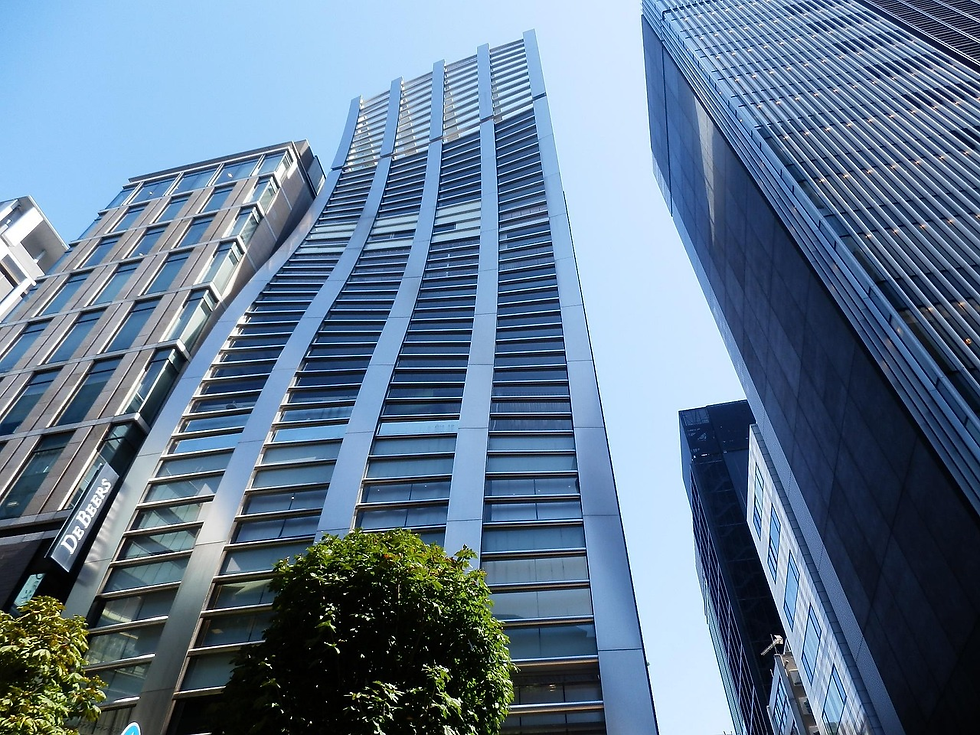
From there, I walked to Ginza, Tokyo’s luxury shopping district. The architecture alone is worth the visit—sleek glass façades, designer storefronts, and perfectly polished streets. Even without buying anything, I loved browsing the flagship stores, sampling sweets, and admiring the refined aesthetics. I stopped at a basement food hall in a department store, where gourmet pastries, fresh seafood, and delicate bento boxes created a sensory feast.
That evening, Ginza transformed into a quieter, more elegant version of itself. I found a tiny sushi bar, where the chef worked silently but precisely, placing each piece of sushi before me like a small work of art. It was my first true omakase experience in Japan—and unforgettable.

Day 5 — Akihabara Electric Town
Today I dove into the bright, buzzing world of Akihabara, Tokyo’s electric playground. Towering buildings flashed with anime characters, arcades roared with sound, and stores overflowed with gadgets, figurines, and retro games. I spent hours exploring multi-story arcades, watching locals play rhythm games with unbelievable skill.
I wandered into a massive electronics store filled floor-to-ceiling with every gadget imaginable—drones, cameras, headphones, and mechanical keyboards. Even if you’re not a tech enthusiast, Akihabara’s energy is contagious.
In the afternoon, I visited a themed café, where costumed staff performed short, cheerful routines and created latte art shaped like hearts and cats. It was quirky, fun, and completely unique to Japan.
As evening arrived, the neon lights glowed even brighter, turning the streets into a surreal dreamscape. I walked back to my hotel feeling energized and oddly nostalgic for the retro music and pixel art that filled the district.

Day 6 — Day Trip to Kamakura or Nikko
Option 1: Kamakura
I took the train to Kamakura, a seaside town famous for temples and giant statues. Walking through the peaceful forest paths toward the Great Buddha of Kamakura was calming; the bronze statue stood silently against the sky, enormous yet serene. Later, I visited Hase-dera Temple, where gardens cascaded down a hillside offering sweeping ocean views.
Option 2: Nikko
Alternatively, Nikko’s ornate shrines and mountainous scenery make it one of Japan’s most beautiful day trips. The Toshogu Shrine, with its intricate gold carvings, felt otherworldly. The air smelled like cedar, and moss-covered stone steps wound through ancient forests.
Whichever destination you choose, the day offers a peaceful escape from Tokyo's intensity and a deeper understanding of Japan’s spiritual heritage.
Days 7–10 — Kyoto & Nara

Day 7 — Arrival in Kyoto & Gion Walk
Arriving in Kyoto felt like stepping into a different era. Wooden machiya houses, narrow lantern-lit streets, and quieter rhythms replaced Tokyo’s neon. After settling into my ryokan, I wandered through Gion, Kyoto’s traditional geisha district. The wooden façades reflected the soft glow of hanging lanterns, and the air carried the faint scent of incense and old timber.
As dusk fell, I saw a geiko gracefully step into a teahouse—an authentic glimpse of old Japan that felt timeless and magical.

Day 8 — Fushimi Inari Shrine
I woke early to visit Fushimi Inari, famous for its endless tunnels of red torii gates. Climbing the mountain path at sunrise was unforgettable. The crowds were small, the air cool, and the gates glowed warm orange as sunlight filtered through. At several viewpoints, I paused to admire sweeping views over Kyoto.
Along the trail, I noticed fox statues, small shrines, and offerings left by worshippers. The entire mountain felt like a sacred labyrinth. I spent nearly half the day wandering its trails before descending for a well-earned bowl of steaming udon.

Day 9 — Arashiyama Bamboo Grove & Golden Pavilion
I headed to Arashiyama, one of Kyoto’s most picturesque areas. Walking through the bamboo grove felt like stepping into a living painting—the tall stalks swayed gently, and the sound they made was like a soft metallic whisper. I continued toward the river, where traditional boats floated slowly across still water framed by green mountains.
In the afternoon, I visited Kinkaku-ji, the Golden Pavilion. The structure shimmered in the sunlight, perfectly reflected in the pond below. Even with visitors around, the moment felt peaceful. The garden paths, mossy grounds, and tiny waterfalls made it one of Kyoto’s most beautiful experiences.

Day 10 — Day Trip to Nara
A quick train ride brought me to Nara, where friendly deer roam freely through parks and temple grounds. I bought a pack of deer crackers and within seconds was surrounded—bowing deer nudged me gently for a treat.
I then visited Todaiji Temple, home to Japan’s giant bronze Buddha. Standing inside the massive wooden structure made me feel small in the best possible way. The statue’s calm face radiated wisdom and tranquility, making it a deeply memorable moment.
By evening, I was back in Kyoto, enjoying a warm matcha drink in a traditional teahouse.
Days 11–14 — Hiroshima & Miyajima

Day 11 — Arrival in Hiroshima
Arriving in Hiroshima, I felt a different atmosphere—calmer, more reflective. After checking into my hotel, I walked along the river to see the A-Bomb Dome, the last structure near the hypocenter left standing. The quiet grounds and stillness of the river made me pause for a long time.

Day 12 — Peace Memorial Park & Museum
This was one of the most emotional days of the trip. The Peace Memorial Museum presents Hiroshima's history with honesty and compassion. Photos, personal stories, and artifacts conveyed both unimaginable tragedy and remarkable resilience. The museum ends with messages of peace and hope—an emotional journey, but one I’m grateful I experienced.
I spent the afternoon in Peace Memorial Park, letting the quiet paths and gentle rivers help me reflect.

Day 13 — Miyajima Island Day Trip
I took the short ferry to Miyajima, one of Japan’s most beautiful islands. When the iconic floating torii gate came into view, partially submerged by the tide, I felt like I was looking at a scene from a dream. I walked around Itsukushima Shrine's elegant wooden corridors, which seem to hover above the water.
Later, I hiked part of Mount Misen for panoramic island views before enjoying grilled oysters and momiji manju (sweet maple-leaf-shaped cakes) at small local stalls.

Day 14 — Hiroshima Food & Downtown Stroll
Before leaving Hiroshima, I tried the city’s famous Hiroshima-style okonomiyaki—a layered pancake with noodles, cabbage, meat, and sauce cooked on a teppan grill. Watching the chef assemble it with precision and flair was almost as good as eating it.
I spent the rest of the day exploring modern shopping streets and river paths before preparing for my trip north.
Days 15–17 — Kanazawa & Takayama

Day 15 — Arrival in Kanazawa & Edo Districts
Kanazawa immediately felt charming and historic. I visited the Higashi Chaya District, where old wooden teahouses line narrow lanes. Unlike Kyoto, fewer tourists wander these streets, giving the area a more intimate, authentic feel. I sipped matcha in a traditional teahouse while watching sunlight fall across tatami mats.

Day 16 — Kenroku-en Garden
This day was dedicated to Kenroku-en, one of Japan’s most celebrated gardens. Every turn offered a postcard-like view—stone bridges over koi ponds, perfectly pruned pine trees, winding paths, and peaceful teahouses. I wandered slowly, stopping often to admire the harmony between water, stone, and greenery.
In the afternoon, I visited Kanazawa Castle, its white walls glowing softly against the greenery.

Day 17 — Takayama’s Old Town
A scenic train took me deep into the mountains to Takayama, a beautifully preserved old town. Wooden merchant houses line the streets, and sake breweries hang round wooden cedar balls outside as a sign of fresh batches. I sampled local sake, explored morning markets, and tried the region’s specialty—Hida beef, tender and rich, served grilled or as sushi.
By evening, the old town glowed under paper lanterns, creating a warm, nostalgic atmosphere.
Days 18–21 — Osaka & Departure

Day 18 — Arrival in Osaka & Dotonbori Nightlife
When I arrived in Osaka, it felt instantly different—louder, bolder, full of delicious smells. I spent the evening in Dotonbori, where neon signs reflect off the canal and streets buzz with energy. I tried freshly made takoyaki (octopus balls), standing shoulder-to-shoulder with locals, and wandered among giant mechanical billboards shaped like crabs and dragons.
Day 19 — Osaka Castle & Food Adventures
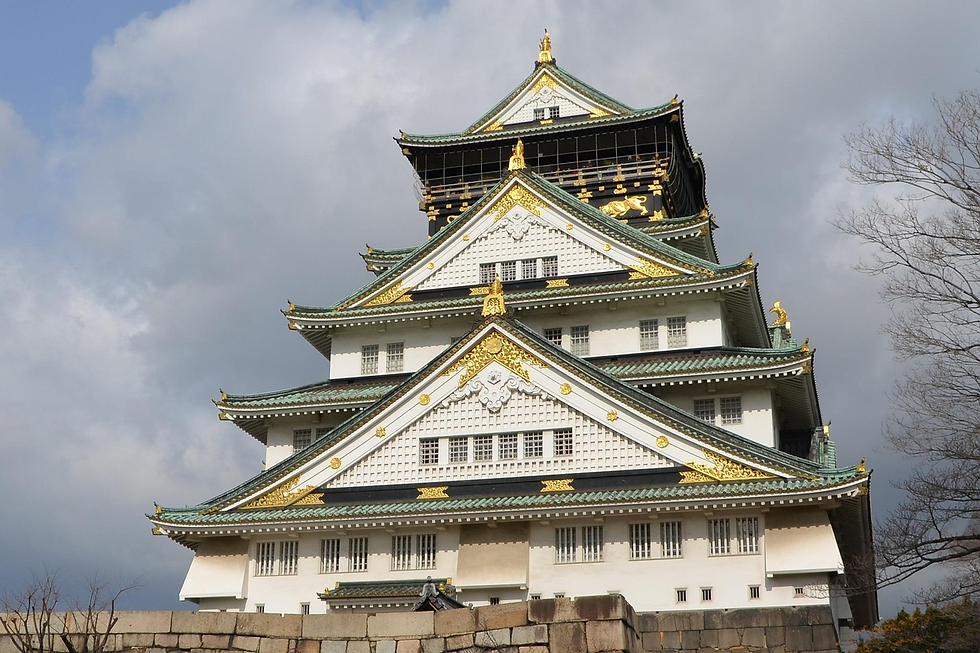
I started the day at Osaka Castle, surrounded by spacious parkland and a moat. The view from the top showed the modern city stretching out beyond ancient stone walls. Later, I visited Kuromon Market to sample wagyu beef skewers, tuna sashimi, and fluffy tamagoyaki omelets.
In the evening, I returned to Dotonbori for okonomiyaki—Osaka’s specialty—and a nighttime stroll along the glowing canal.

Day 20 — Day Trip to Himeji or Kobe
Himeji Castle
I visited Himeji Castle, Japan’s most spectacular original feudal fortress. The brilliant white walls, maze-like pathways, and sweeping views from the top made it one of the highlights of the entire trip.
Kobe (Option)
Alternatively, Kobe offers scenic harbor views and (of course) the chance to try Kobe beef—a melt-in-your-mouth culinary experience worth the journey.

Day 21 — Last Hours in Osaka & Departure
Before heading to Kansai Airport, I spent my last hours exploring Osaka’s quieter neighborhoods and enjoying one final Japanese breakfast—miso soup, rice, grilled fish, and pickles. As I made my way to Kansai International Airport (KIX), I felt grateful for the places I’d visited, the food I’d tasted, and the memories I now carried with me.
Japan had shown me its past, its future, its kindness, and its creativity—and I knew I would return.


Comments